


admin:Date:2026-02-09Hits:0
Polylactic acid (PLA), as a new type of environmentally friendly 3D printing material, has been widely applied in the food-grade and medical-grade fields with the technical support of NatureWorks. What makes this material so unique? This article will deeply explore the past and present of this magical material, and guide you to understand its unlimited potential in the 3D printing world.
Polylactic Acid Raw Materials: A Revolutionary Transformation in the Plastics Industry
Polylactic Acid, abbreviated as PLA, is a biobased polymer derived from renewable resources. It is produced by fermenting plant starch and has excellent biodegradability and environmental-friendly properties.
As early as the 1970s, people began to explore the possibility of replacing traditional petroleum-based plastics with biobased raw materials. In 2002, NatureWorks launched the world's first commercial food-grade PLA product, Ingeo™. This innovation not only marked a significant breakthrough in PLA production technology but also heralded a new era of sustainable development for the plastics industry.
From Farm to Printer: The Unique Structure and Formation Process of PLA
PLA molecules are linear thermoplastic polymer compounds formed by the polymerization of α-hydroxypropyl lactate monomers. They have a high degree of crystallinity, which gives them excellent mechanical properties such as high strength, rigidity, and stability. Additionally, PLA has good gloss and transparency, making it ideal for applications requiring aesthetic surfaces.
During the production process, plant starch is converted into lactic acid monomers, which are then chemically reacted to form high-molecular-weight PLA polymers. This manufacturing process reduces reliance on fossil fuels and significantly lowers carbon emissions.
Medicine and Cuisine: The Practical Applications and Impact of PLA
Today, food-grade PLA has been widely used in fields such as food packaging, effectively protecting the freshness and quality of food while reducing plastic waste pollution. In the medical field, PLA demonstrates even more possibilities - it can be used to manufacture surgical guides, bone screws, wound sutures, and even drug-controlled release systems, etc.
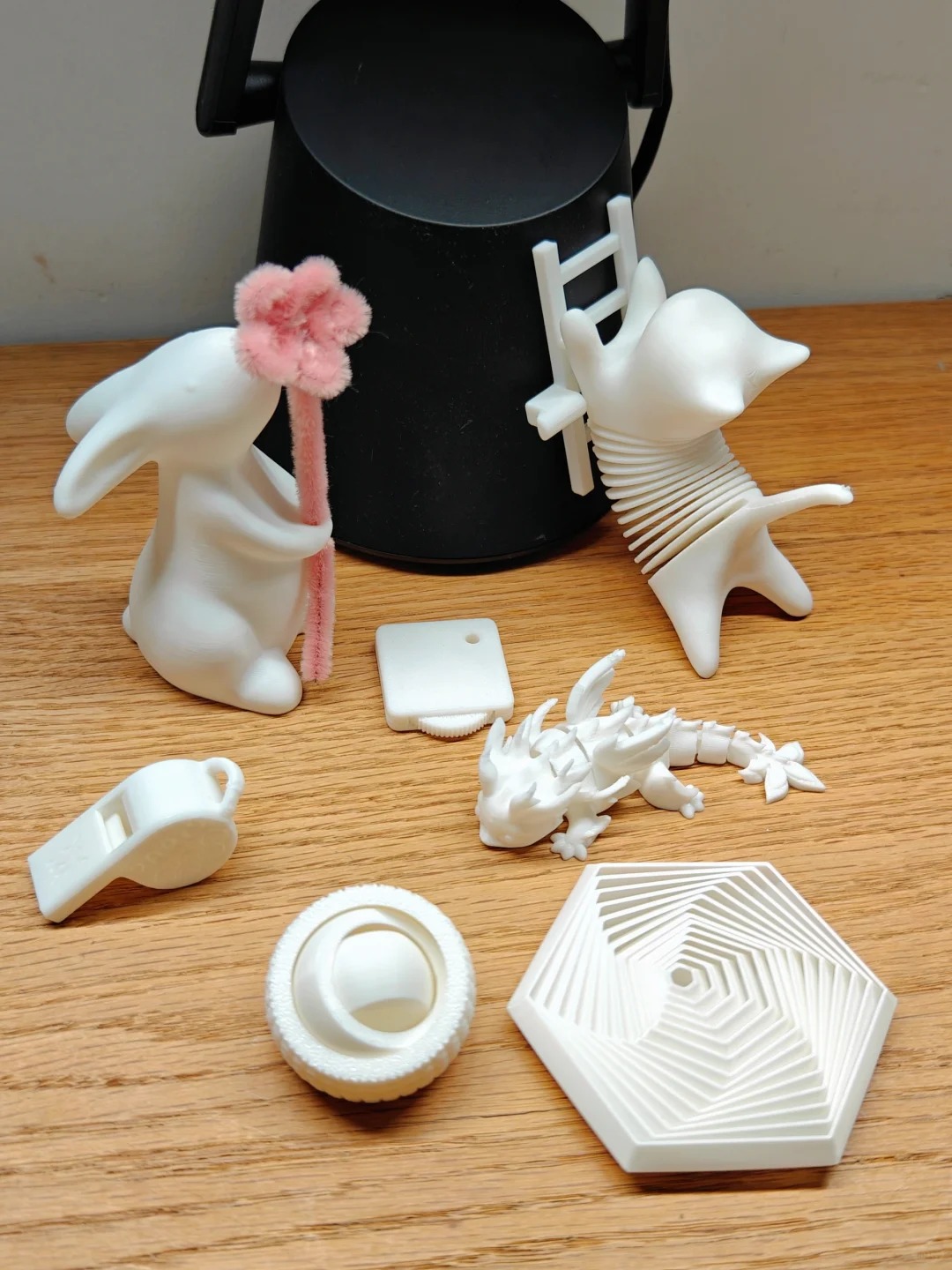
It is worth noting that with the advancement of technology, PLA is gradually entering the daily consumer market. Many families and individuals have also begun to use 3D printers to produce various personalized items, such as custom tableware and home decorations.

From Laboratory to Production Line: Challenges and Future Prospects of PLA
Although PLA has many advantages, it still faces some limitations. For instance, its processing temperature range is relatively narrow, making it difficult to meet the requirements for complex-shaped parts; at the same time, high costs are also one of the factors restricting its wide application.
However, with continuous research and technological improvements, these problems are expected to be resolved. In the future, we may see more new products based on PLA come into existence, which will not only be more environmentally friendly and durable, but also possess more intelligent functions.
Copyright 2019 Jiangyin Film-Maker Plastic Co., Ltd.